What Actually Supports Prostate Health, Beyond Any Single Supplement
Diet quality, regular physical activity, and consistent medical screening all measurably affect prostate health outcomes — often more than any single supplement can.
Understanding the fuller picture helps set realistic expectations for what nutritional support can and cannot do on its own.
Regular medical screening
Routine check-ups, including PSA testing and physical exams as recommended by your doctor based on your age and risk factors, remain the most reliable way to catch and manage prostate issues early, well before symptoms would otherwise prompt a visit.
Diet quality
Diets higher in vegetables, particularly cruciferous vegetables and tomatoes rich in lycopene, along with lower intake of processed red meat, are associated with better prostate health outcomes in population studies.
Regular physical activity
Consistent exercise is associated with reduced BPH symptom severity and better overall urinary function in multiple studies, independent of weight changes.
Maintaining a healthy weight
Excess body weight, particularly abdominal fat, is associated with worse BPH symptoms and other prostate-related outcomes.
Limiting evening fluids and bladder irritants
Reducing caffeine and alcohol, especially in the evening, is a simple, well-supported habit for managing urinary symptoms day-to-day, discussed further in our piece on why nighttime trips increase with age.
Where nutritional support realistically fits
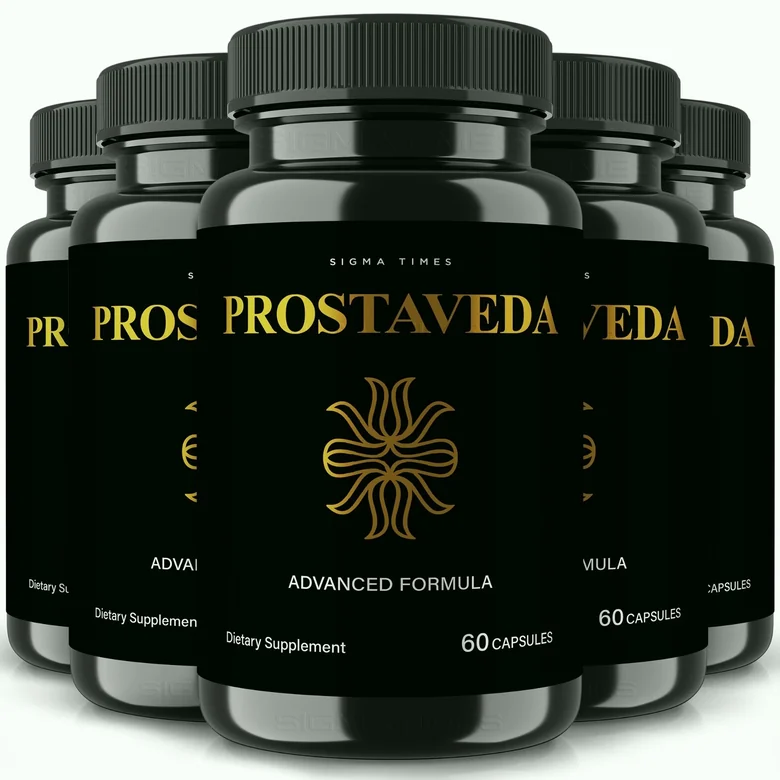
Applying this to Prostaveda
Formulas like Prostaveda are designed to supply nutrients relevant to prostate and urinary wellness, a genuinely useful addition layered on top of the habits above, not a shortcut around them or around regular medical screening.